Introduction
My research centers on the development of Agentic AI and data-driven analytical tools to solve complex problems across finance, industry, and daily management. By leveraging modern AI models, I create solutions that transform raw data into actionable intelligence and functional user experiences.
I document my AI-driven projects on a subdomain: https://ai-research.jonahkadoko.com/
Core Competencies
- Agentic AI Development: Expertise in designing autonomous AI agents that perform end-to-end tasks, from data processing to web-app deployment (e.g., BiotechAnalyzer App).
- Financial & Market Analysis: Quantitative analysis focused on high-probability trading strategies, risk assessments, and industry-wide economic forecasting (e.g., Biotech Value Strategies, Pfizer (PFE) Alert).
- Systems Integration & Automation: Building holistic, user-focused platforms that synthesize disparate data sources—such as weather, news, and logistics—into centralized dashboards (e.g., Orbit – The Global Sync).
- Operational Optimization: Developing smart tools that optimize supply chain, kitchen management, and resource allocation to improve efficiency and reduce waste (e.g., GroceryBuddy).
My Agentic Workflow
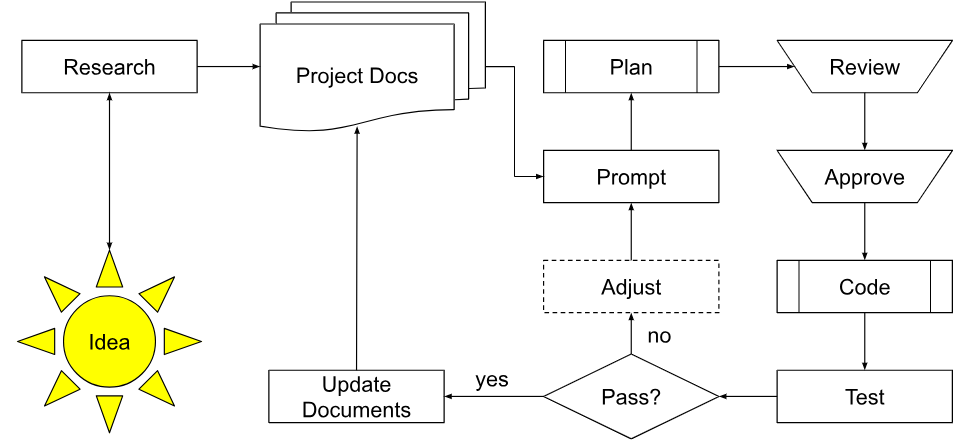
The Three Imperatives of the Workflow
- The Living Contract: Every project is anchored by comprehensive, static documentation: PRD.md (Product Requirements Document), README.md, and SCHEMA.md. The PRD.md is my absolute contract with agentic coders. It defines the boundaries, itemized requirements, data sources, and corresponding tests.
- Plan before code: I always use the plan mode. I thoroughly review the plan, make edits, and then approve the coding.
- Keep Project Documents Updated: after successful feature implementation, I make sure to update relevant project documents.
My AI home lab
My foray into agentic workflows initially leveraged cloud architecture via the Google Agentic Development Kit (ADK) evaluation tier. While powerful, the restrictive rate limits, token quotas, and a sudden, unexpected $$$ API bill from recursive agent calls accelerated a pivot to private, self-hosted infrastructure.
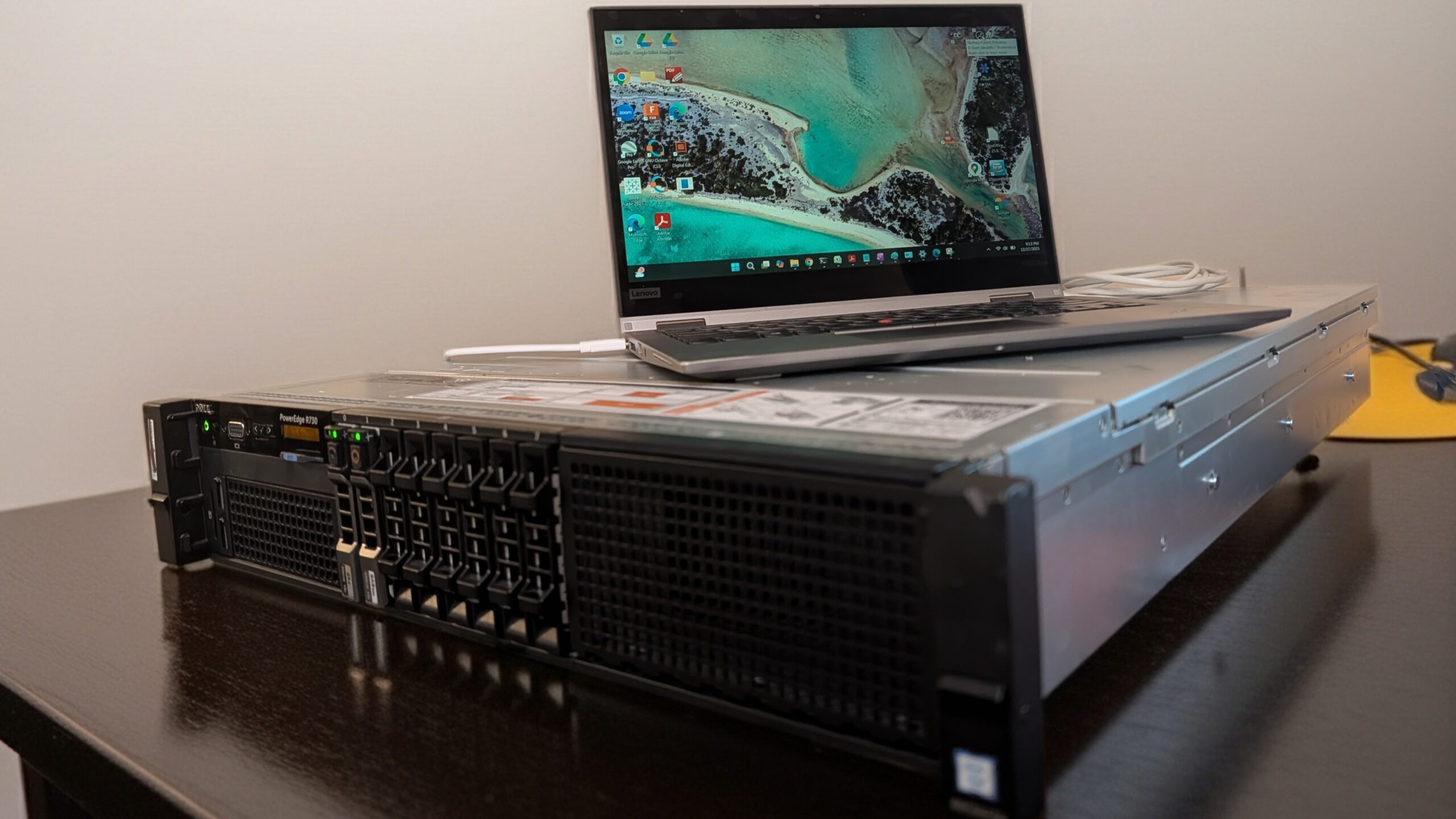
To achieve computational sovereignty, I built a high-performance local AI homelab around a pre-owned enterprise server.
The Hardware Stack
- Compute Node: Pre-owned Dell PowerEdge R730 Server.
- Acceleration: Integrated NVIDIA Tesla P4 GPUs to handle dense matrix computations, vectorizations, and low-latency token generations. These are entry-level GPUs whose main advantages are:
- Low-cost – ~$100 each
- Low power – no need for a power supply upgrade, the 750W PSU is sufficient
- 16GB VRAM – good for inference with lightweight models
- Local Engine: Orchestrated natively via Ollama, allowing smooth hosting, swapping, and runtime inference execution of localized weights.
- Host Server: host data analytics and agent output dashboards